Dridex Returns, Targets MacOS Using New Entry Method
The Dridex variant we analyzed targets MacOS platforms with a new technique to deliver documents embedded with malicious macros to users. Read More HERE…

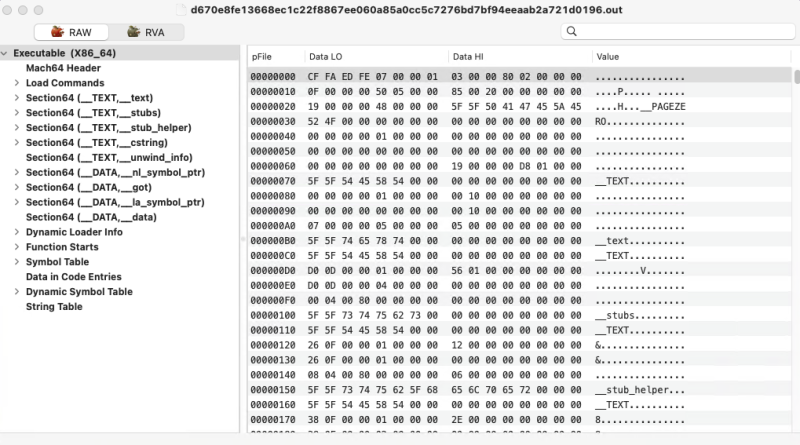
The Dridex variant we analyzed targets MacOS platforms with a new technique to deliver documents embedded with malicious macros to users. Read More HERE…
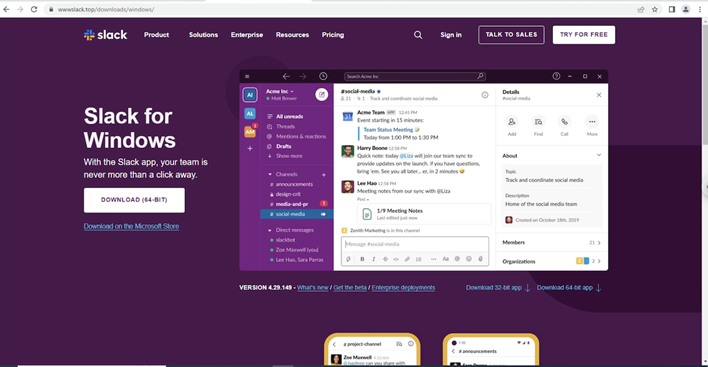
We analyze the latest changes in IcedID botnet from a campaign that abuses Google pay per click (PPC) ads to distribute IcedID via malvertising attacks. Read More HERE…
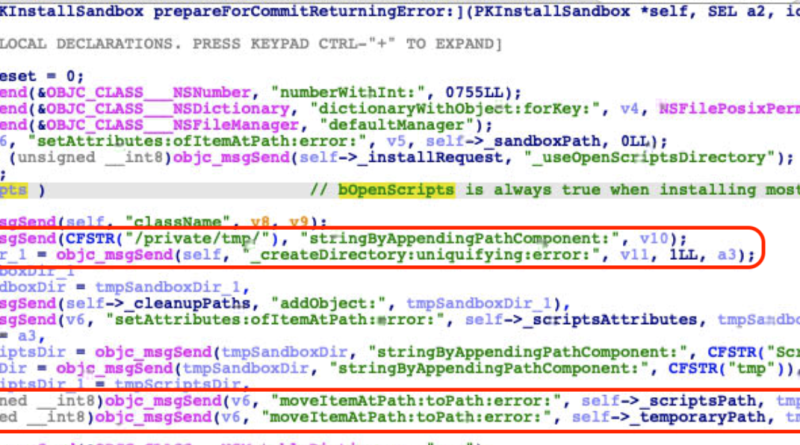
This blog entry discusses the technical details of how we exploited CVE-2022-22583 using a different method. We also tackle the technical details of CVE-2022-32800, another SIP-bypass that we discovered more recently, in this report. Read More HERE…

We look into some of the implementations that cybercriminals use to bypass the Windows Antimalware Scan Interface (AMSI) and how security teams can detect threats attempting to abuse it for compromise with Trend Micro Vision One™. Read More HERE…
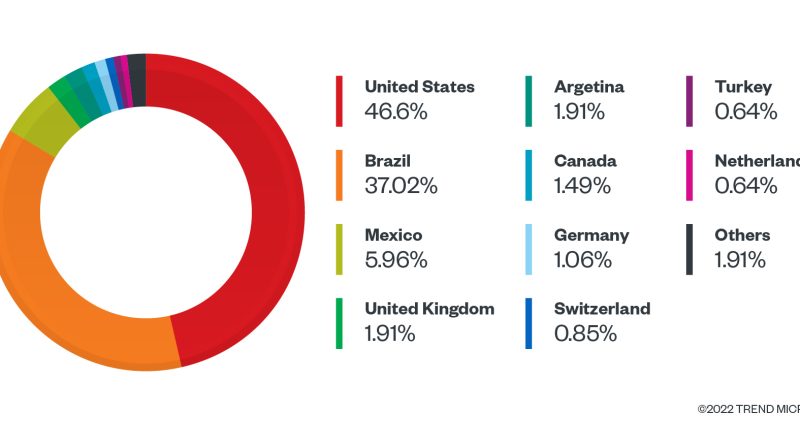
From September to December, we detected multiple attacks from the Royal ransomware group. In this blog entry, we discuss findings from our investigation of this ransomware and the tools that Royal ransomware actors used to carry out their attacks. Read More HERE…

More than two years ago, a researcher, A2nkF demonstrated the exploit chain from root privilege escalation to SIP-Bypass up to arbitrary kernel extension loading. In this blog entry, we will discuss how we discovered 3 more vulnerabilities from the old exploit chain. Read More HERE…
We found samples of the Raspberry Robin malware spreading in telecommunications and government office systems beginning September. The main payload itself is packed with more than 10 layers for obfuscation and is capable of delivering a fake payload once it detects sandboxing and security analytics tools. Read More HERE…
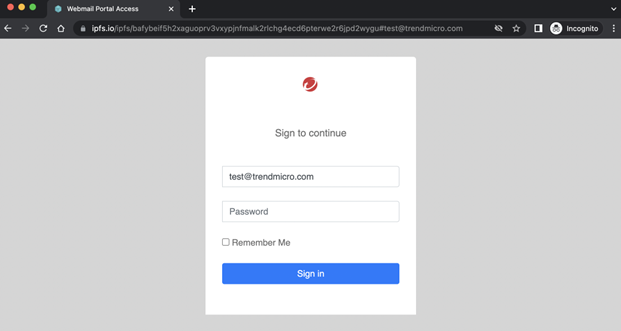
We discuss the use of the InterPlanetary File System (IPFS) in phishing attacks. Read More HERE…
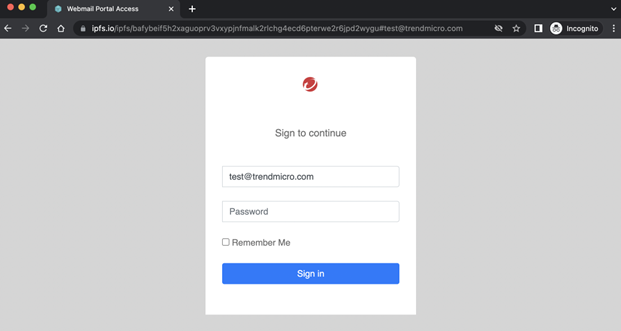
We discuss the use of the InterPlanetary File System (IPFS) in phishing attacks. Read More HERE…

In this blog entry, we discuss the reasons why malicious actors choose to and opt not to pursue kernel-level access in their attacks. It also provides an overview of kernel-level threats that have been publicly reported from April 2015 to October 2022. Read More HERE…