I found a DualSense deal that knocks 28% off this wireless PlayStation controller
The basic white variant is down to a record-low $54 for Black Friday, with plenty of other colors also on sale. READ MORE HERE…


The basic white variant is down to a record-low $54 for Black Friday, with plenty of other colors also on sale. READ MORE HERE…
If you work on the go, the last thing you should do is connect to an insecure wireless network. Jack Wallen explains.
READ MORE HERE…
Lightspin threat researchers discovered the bug, which AWS fixed A local file read vulnerability in Amazon’s Relational Database Service (RDS) could have been exploited by an attacker to gain access to internal AWS credentials, the cloud behemoth has confirmed.… READ MORE HERE…
Read More
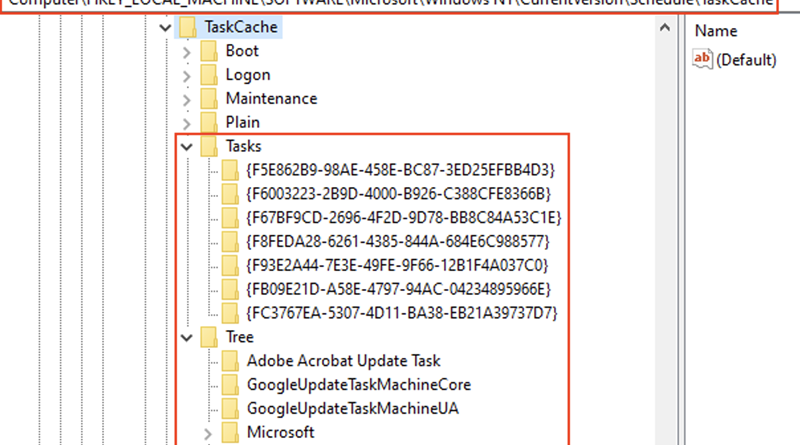
Microsoft Detection and Response Team (DART) researchers have uncovered malware that creates “hidden” scheduled tasks as a defense evasion technique. In this post, we will demonstrate how threat actors create scheduled tasks, how they cover their tracks, and how the malware’s evasion techniques are used to maintain and ensure persistence on systems.
The post Tarrask malware uses scheduled tasks for defense evasion appeared first on Microsoft Security Blog. READ MORE HERE…

Cisco has tweaked its flagship SD-WAN software package to increase customer application flexibility and improve visibility into the performance of distributed resources.The company announced Cisco SD-WAN release 17.8, which adds support for new business and customized cloud applications, analytics and security features.SD-WAN buyers guide: Key questions to ask vendors
Specifically, the company upgraded the SD-WAN Cloud OnRamp for SaaS service, which links branch offices or individual remote users to cloud applications such as Cisco’s Webex, Microsoft 365, AWS, Google, Oracle, Salesforce and more.To read this article in full, please click here READ MORE HERE…
CVSS 9.8 flaws are not what you want in a hospital robot Mobile robot maker Aethon has fixed a series of vulnerabilities in its Tug hospital robots that, if exploited, could allow a cybercriminal to remotely control thousands of medical machines.… READ MORE HERE…
Read MoreHackers are trying to steal passwords for social media accounts – and that’s most likely through malware hidden in cracked versions of software.
READ MORE HERE…